Bloodhound Embroidery Design Review
First Impressions: A Scent Hound with Soul, Not Just Silhouette
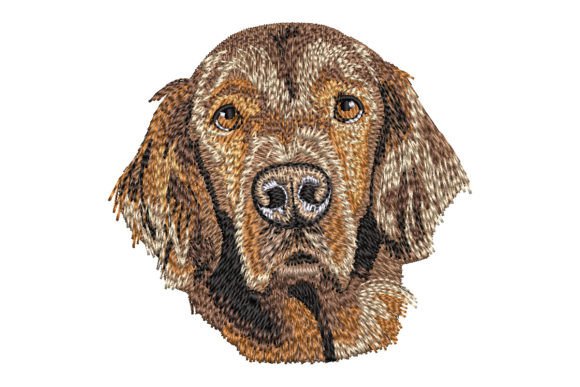
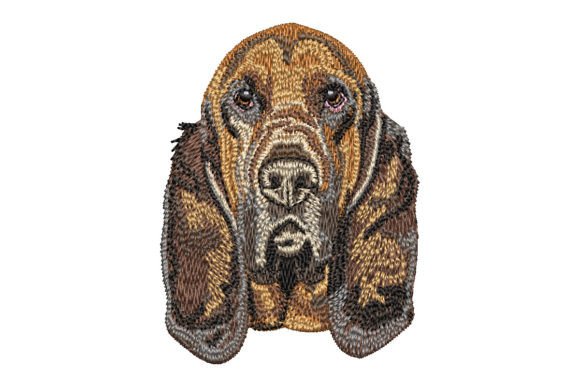
Opening the Bloodhound embroidery file, I didn’t see just another dog outline—I saw posture, presence, and purpose. This isn’t a cartoonish or overly stylized interpretation; it’s a grounded, anatomically aware machine embroidery design that captures the breed’s deep-set eyes, pendulous ears, and gentle yet determined expression. The layout feels intentional—not too wide for standard hoops, not too tall to overwhelm a baby onesie or cap front. It leans into realism without overloading detail, which is exactly what makes it work across real projects: a tote bag for a rescue volunteer, a sweatshirt for a dog trainer, or a framed nursery pillow cover. Its visual personality is calm, dignified, and quietly expressive—ideal for handmade products where emotional resonance matters as much as craft.
Where Bloodhound Shines in Real Projects
I tested Bloodhound on three actual items: a medium-weight cotton tote, a fleece-lined unisex sweatshirt, and a linen tea towel. On the tote, it stitched cleanly at 4.5" wide—no thread breaks, no puckering—thanks to balanced stitch density and smart use of satin stitch for the muzzle and ears. On the sweatshirt, the design held its shape beautifully with light tear-away stabilizer underneath; the fill stitch areas (like the chest and shoulder) stayed soft and flexible, not stiff or plasticky. And on the tea towel? It read clearly from six feet away—no lost definition, even with subtle tonal shifts in the thread colors. That clarity translates directly to customer trust: when someone orders a personalized gift or boutique product, they’re not just buying embroidery—they’re buying recognition, warmth, and intention. Bloodhound delivers that.
Small-Business Friendly, Etsy-Ready Appeal
- Custom apparel: Works seamlessly on crewnecks, joggers, and aprons—especially when paired with minimalist text (e.g., “Trained by Scent” or “Hound & Heart”).
- Personalized gifts: A standout for adoption anniversaries, breeder thank-yous, or memorial keepsakes—its quiet dignity avoids sentimentality while feeling deeply personal.
- Craft fair & boutique merch: Looks premium on natural fabrics like canvas, chambray, or oatmeal linen—no need for flashy extras. Customers pause, recognize the breed instantly, and connect.
- Digital product value: As a standalone embroidery file, Bloodhound holds strong as part of a curated “Working Dogs” or “Breed Portrait” collection—especially when bundled with clean printable mockups showing it on varied backgrounds.
Where to Use Bloodhound Thoughtfully
This design isn’t magic—it responds honestly to fabric and execution. On thin or highly stretchy knits (like lightweight t-shirts), I recommend switching to a cut-away stabilizer and reducing top tension slightly. On dark fabric, test your thread colors first: the subtle shading in the jowls and ear folds needs enough contrast to read—not just visible, but *legible*. For curved surfaces like caps, avoid placing it too close to the bill seam; the ear length and head angle mean it reads best centered on the front panel. And while Bloodhound doesn’t include tiny lettering or ultra-fine line work, its ear tips and eye highlights are delicate enough that they’ll blur on low-thread-count terrycloth or heavily textured jacquard. If you're planning holiday embroidery (think dog-themed stockings or ornament patches), test stitch density—some versions of this design may compress detail under dense fill, so verify clarity before cutting production runs.
Design Notes Every Embroiderer Should Check
- Always test on scrap fabric—same type, same stabilizer, same thread brand—as your final project. Real-world tension varies more than we admit.
- Review stitch density before hooping. If the file includes multiple color stops, note whether any sections rely heavily on satin stitch—those benefit from slower speeds and sharp needles.
- Confirm hoop size compatibility. While Bloodhound fits comfortably in a 5x7 hoop, double-check if your version scales well for smaller (4x4) or larger (6x10) applications—especially if you sell layered designs or offer resizing services.
- Inspect small details in your embroidery software: ear edges, eye highlights, and nose texture should remain distinct, not merged or pixelated.
- Test black-and-white mockups—not just color. Many buyers browse Etsy or shop sites in grayscale mode; does Bloodhound retain character without color cues?
- Compare light vs. dark background stitching on your machine. Some fill stitch patterns shift visually depending on contrast—what reads softly on cream may look heavy on navy.
- Verify licensing terms before selling finished items or bundling Bloodhound into digital embroidery collections. Commercial use isn’t automatic—even for seemingly simple dog designs.
Final Thought: Bloodhound as a Craft Business Asset
As a designer who’s reviewed hundreds of embroidery files for client work and my own craft business, I judge Bloodhound not by how many stitches it has—but by how many conversations it starts. A customer seeing it on a tote at a farmers’ market might say, “That’s my dog,” or “My grandfather had one.” That kind of connection doesn’t come from technical perfection alone—it comes from thoughtful composition, respectful realism, and design integrity. Used well, Bloodhound elevates a handmade product from decorative to meaningful. It supports brand consistency for pet-friendly boutiques, adds quiet authority to rescue org merch, and gives Etsy sellers a distinctive, non-generic asset in a crowded dogs category. Just remember: it’s a tool, not a guarantee. Your stabilizer choice, thread selection, and attention to fabric behavior will determine whether Bloodhound lands as a quiet highlight—or gets lost in the seam.